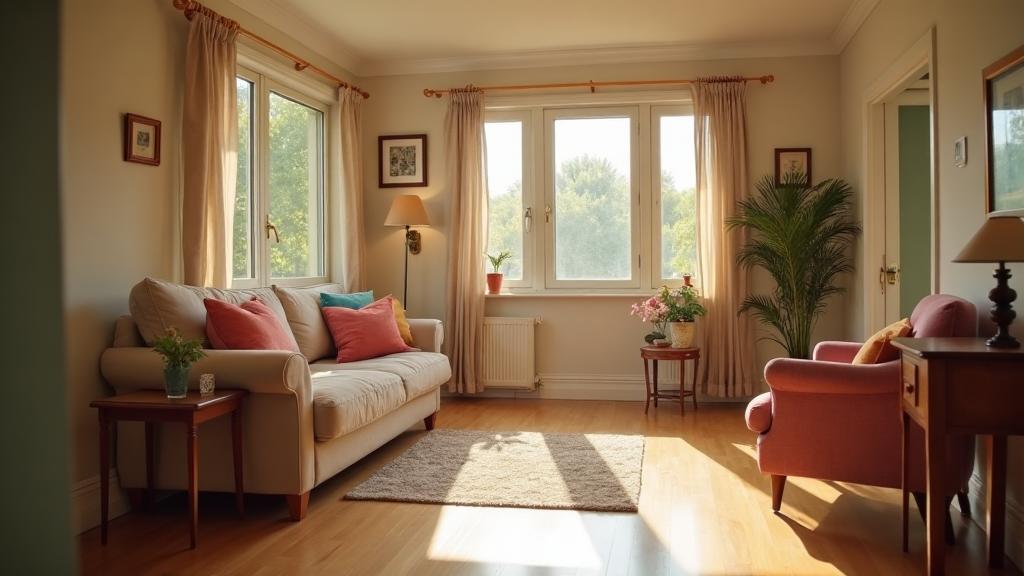
"Simple modifications that can make a big difference in preventing falls and maintaining independence at home."
- 1. Start with a walk-through — at their eye level.
- 2. Light it up.
- 3. Declutter like you mean it.
- 4. Prioritise bathroom safety.
- 5. Make frequently used items easy to reach.
- 6. Label things clearly (especially in shared households).
- 7. Secure the meds.
- 8. Prepare for emergencies without scaring anyone.
- 9. Respect their independence.
- 10. Check in often — and not just for safety.
Creating a Safe Home Environment for Elderly Family Members
Because dignity, comfort, and peace of mind should never be an afterthought.
Whether your loved one is living with you, down the street, or halfway across the world, ensuring they're safe at home is one of the most important — and often overwhelming — parts of caregiving.
At Nurtura, we know safety isn't just about grab bars and emergency buttons. It's about creating a space where your loved one feels supported, respected, and at ease. Here are some key tips to help you get there.
1. Start with a walk-through — at their eye level. Literally sit where they sit. Look for tripping hazards, hard-to-reach items, or confusing layouts. You'll see things differently from their point of view.
2. Light it up. Dim lighting is a common cause of slips and falls. Add motion-sensor night lights in bedrooms, hallways, and bathrooms to gently guide nighttime movement without startling them.
3. Declutter like you mean it. Clear pathways. Secure rugs. Keep cables out of walkways. Less clutter = fewer hazards. Bonus: it makes the home feel calmer and more predictable.
4. Prioritise bathroom safety. Install grab bars near the toilet and in the shower. Use non-slip mats. Consider a raised toilet seat or a shower chair if needed. These small changes can prevent serious injuries.
5. Make frequently used items easy to reach. Store everyday things — like cups, meds, and remotes — at waist height. No climbing, no bending, no stress.
6. Label things clearly (especially in shared households). Large-print labels on drawers, appliances, and even remotes can reduce confusion, especially for those with memory loss or low vision.
7. Secure the meds. Use a pill organiser or reminder app. If there are multiple carers, keep a shared log (Nurtura can help with that!). Prevent overmedication, missed doses, or mix-ups.
8. Prepare for emergencies without scaring anyone. Keep a visible list of emergency contacts by the phone or front door. Make sure smoke alarms and carbon monoxide detectors are working. You can even set up gentle check-in alerts if you're at a distance.
9. Respect their independence. Safety doesn't mean taking over. Involve your loved one in decisions, and adjust gradually. The goal is safe and empowered, not micromanaged.
10. Check in often — and not just for safety. Ask how they're feeling, what's working, what's annoying. A safe home isn't just functional. It should also feel loving, familiar, and theirs.
💛 Nurtura Can Help
From gentle nudges to shared task coordination, Nurtura is here to help families stay connected and proactive — especially when someone you love is ageing in place.
🛠️ Want help keeping your family organised across time zones and care roles? 👉 Join the waitlist or follow us on Instagram for more practical tips.
About the Author
Jean Du is the Strategic Delivery & Partnerships Lead at Nurtura.
Jean is a Chinese-Australian pharmacist, strategist, connector, systems thinker, and carer who previously worked at Australia's Department of Health, Disability and Ageing.
Based in London, she knows what it's like to provide care from far away. At Nurtura, she leads delivery and partnerships— turning Nurtura's vision into something that actually works for families, for partners, and for the long haul. She sits at the crossroads of product, operations, and storytelling.
Ready to start your care journey with support?
Join our waitlist to be the first to know when Nurtura launches.